Welcome to our comprehensive overview and informational guide on PETA Promoting Animal Welfare and Advocating for Change. In this detailed article, we provide deep insights, historical context, and practical guidelines about this trending topic. Our editorial board has gathered facts from verified sources to help you understand all aspects of the subject matter. We examine current trends, future developments, and real-world applications to keep you ahead. Whether you are researching for educational purposes, business planning, or general knowledge, this guide offers a solid foundation. Explore the detailed analysis, tabular statistics, and answers to frequently asked questions below to expand your understanding.
People for the Ethical Treatment of Animals (PETA) is a well-known global organization that has been at the forefront of promoting animal welfare and advocating for animal rights. Founded in 1980, PETA has consistently worked to raise awareness about animal cruelty, challenge unethical practices, and encourage a compassionate and cruelty-free world. In this article, we will explore the history, mission, and impact of PETA in the realm of animal welfare.
History and Mission of PETA:
PETA was founded by Ingrid Newkirk and Alex Pacheco in Norfolk, Virginia, with a mission to stop animal exploitation and suffering. Since its inception, PETA has been committed to educating the public about the ethical treatment of animals, challenging industries that profit from animal cruelty, and pushing for legal reforms to protect animals.
PETA's Approach to Animal Advocacy: PETA utilizes a multi-faceted approach to advocate for animals:
a. Investigation and Exposé: PETA conducts undercover investigations to expose animal cruelty in various industries, including factory farming, animal testing, and the fur trade. These investigations have led to significant changes in animal welfare regulations and public awareness.
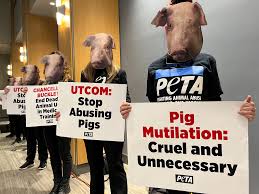
b. Public Awareness Campaigns: PETA is renowned for its thought-provoking and sometimes controversial ad campaigns. Through billboards, videos, and protests, they aim to raise awareness about animal cruelty and inspire change in individual behaviors and corporate practices.
c. Legal Advocacy: PETA engages in legal action to protect animals' rights and hold perpetrators of animal cruelty accountable. They file lawsuits against institutions that violate animal welfare laws and lobby for stronger animal protection legislation.
d. Corporate Engagement: PETA works with companies to encourage them to adopt cruelty-free practices and stop using animal-derived ingredients in their products. They also provide resources and certifications for companies that commit to ethical standards.
Impact and Achievements:
Over the years, PETA's efforts have had a significant impact on animal welfare:
a. Ban on Animal Testing: PETA's campaigns have led to bans on animal testing for cosmetics in several countries and the development of alternative testing methods.
b. Fur-Free Fashion: PETA's "I'd Rather Go Naked Than Wear Fur" campaign has influenced numerous fashion designers and brands to go fur-free.
c. Plant-Based Diet Movement: PETA's advocacy for veganism and plant-based diets has contributed to the growth of the plant-based food industry and increased awareness of the environmental impact of animal agriculture.
d. SeaWorld and Circus Reforms: PETA's campaigns against animal performances in circuses and marine parks have resulted in reforms, leading to some companies ending their use of wild animals for entertainment.
Criticism and Controversy:
While PETA's work has garnered praise for its dedication to animal welfare, the organization has also faced criticism and controversy. Some critics argue that their tactics are too confrontational and sensationalist, leading to polarization and hindering cooperation with industries. Others question PETA's stance on certain issues, such as euthanasia of animals in overcrowded shelters.
Educational Outreach and Youth Programs:
PETA places a strong emphasis on educating the public, particularly the younger generation, about animal welfare and the benefits of a vegan lifestyle. The organization offers educational resources, lesson plans, and youth programs that promote empathy and compassion towards animals. Through these initiatives, PETA aims to inspire the next generation of animal advocates and foster a culture of kindness towards all living beings.
International Reach:
PETA's impact extends far beyond the United States, with offices and affiliates in several countries worldwide. This global reach allows the organization to address animal welfare issues on a broader scale, collaborate with local activists, and challenge animal exploitation practices worldwide.
Collaborations and Partnerships:
PETA collaborates with a diverse range of organizations, celebrities, and influencers to amplify its message and advance animal welfare initiatives. These partnerships help to raise awareness, reach new audiences, and build support for animal-friendly policies and practices.
Lobbying and Policy Changes:
Through lobbying efforts and engagement with policymakers, PETA advocates for stronger animal protection laws and regulations. Their lobbying efforts have resulted in bans on various forms of animal cruelty, improved living conditions for animals in captivity, and stricter enforcement of animal welfare standards.
Continuous Evolution:
PETA continues to evolve its strategies and tactics to remain effective in the ever-changing landscape of animal advocacy. They use social media, digital campaigns, and innovative marketing techniques to connect with audiences and mobilize support for their cause.
Challenges and Future Goals:
While PETA has achieved significant milestones in animal welfare, there are still many challenges ahead. Some industries resist change, and there is ongoing debate about the best approaches to promoting animal rights. Striking a balance between effective advocacy and maintaining positive relationships with stakeholders remains a continuous challenge.
Focus on Animal Liberation:
At the core of PETA's mission is the concept of animal liberation, which advocates for the end of all forms of animal exploitation. PETA firmly believes that animals have the right to live free from suffering and that humans should not use them for food, clothing, entertainment, or scientific research.
Campaigning Against Animal Testing:
PETA has been a vocal advocate for the reduction and eventual elimination of animal testing. Through public awareness campaigns, lobbying efforts, and engagement with the scientific community, PETA aims to promote the use of alternative methods that are more humane and scientifically valid.
Impact on the Fashion Industry:
PETA's campaigns against the use of fur, leather, and other animal-derived materials in the fashion industry have made a significant impact. Many fashion houses and retailers have adopted fur-free policies and embraced sustainable and cruelty-free alternatives in response to consumer demands and PETA's influence.
Vegan Fashion and Beauty:
PETA actively promotes vegan fashion and beauty by working with designers and brands to create animal-friendly, cruelty-free collections. They also offer a "PETA-Approved Vegan" logo that helps consumers identify fashion and beauty products that meet strict animal welfare standards.
Encouraging Plant-Based Options:
PETA's advocacy for plant-based diets has contributed to the rise of plant-based food options in restaurants, supermarkets, and fast-food chains. Their efforts have encouraged food industry giants to offer more plant-based choices, making vegan options more accessible to a broader audience.
Rescue and Rehabilitation Efforts:
PETA engages in rescue and rehabilitation efforts for animals in distress, often collaborating with animal sanctuaries and rescue organizations. They provide care for animals rescued from abusive situations and promote adoption over buying animals from breeders.